
Victorian Catholic bargaining update: Same old story ̶ delays
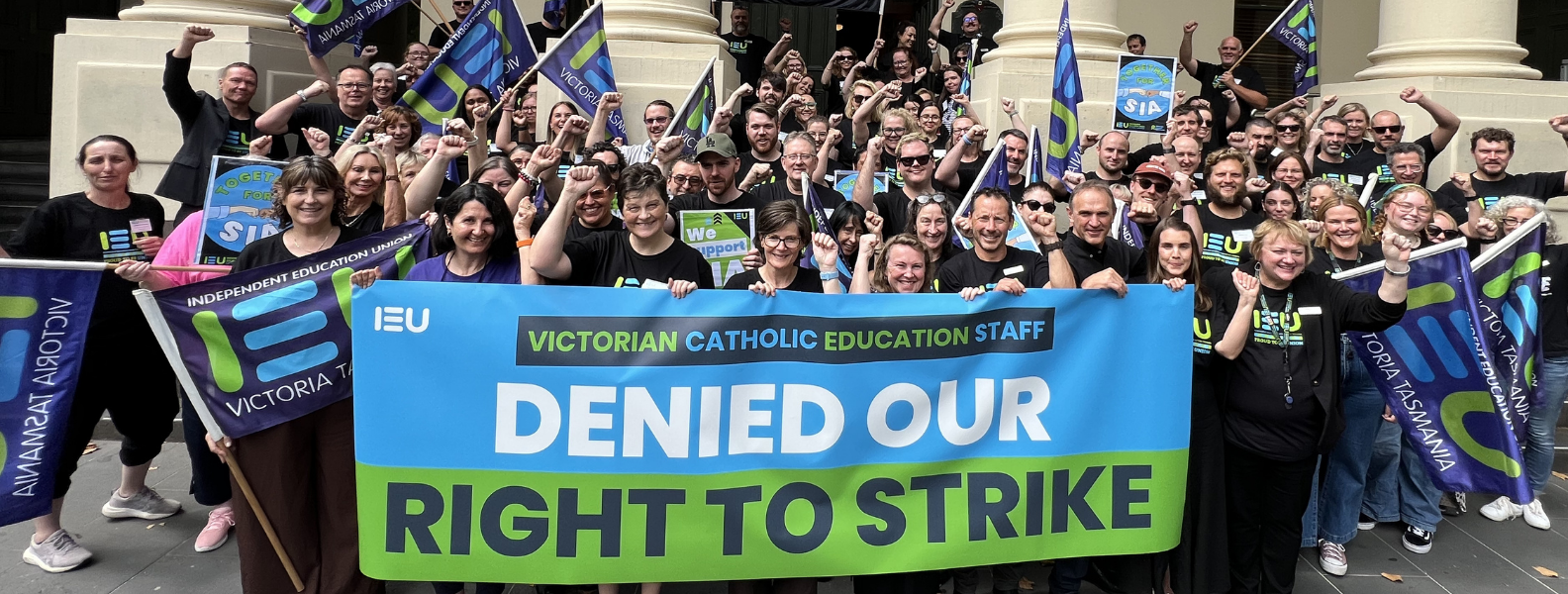
Victorian Catholic school employers are once again trying to get in the way of fair bargaining by obstructing the IEU’s application for a Single Interest Authorisation (SIA).
Given that Victorian Catholic employers (unlike those in every other state and territory) continue to resist single-interest bargaining, the IEU can only win this by demonstrating majority support from employees. Twenty-four employers have conceded majority support, while nine continue to dispute it.
Efforts to confirm support at these nine workplaces have been hindered by employers overstating employee numbers – initially by around 10,000. While they have since acknowledged errors in their data, the accuracy of their revised figures remains in serious doubt.
Because of this doubt, the Fair Work Commission has sought further verification of the numbers, ordering the remaining employers to provide full payroll details to the IEU’s external legal team.
This verification process is painstaking work, but will help to determine whether majority support exists in the nine remaining employers. The VCEA could have helped by getting their homework right the first time around. Instead they have refused to cooperate, failing to provide essential payroll data until being ordered to do so by the FWC, and even then arguing that technical difficulties mean it will take weeks to deliver simple payroll information. As a result, our final SIA hearing has been pushed back until June.
Delays: VCEA’s business as usual
Victorian Catholic employers insist that “cooperative” bargaining works. IEU members, frustrated by every negotiation cycle in recent memory, know otherwise.
Bargaining could have begun in earnest last year, and by now likely be nearing completion if employers had agreed to single-interest bargaining when we first asked. Instead, the IEU needed to pivot campaigning in Term 4 last year to mobilise thousands of staff to sign Statements of Support.
In October 2025, employers made an “offer” designed to circumvent proper bargaining and lock in a deal when employees were least empowered. The gambit failed, despite their intensive campaigning, leaving members frustrated and a new Agreement further away.
In 2026, employers initially submitted inflated workforce figures, stalling the SIA application. The VCEA claimed 32,500 staff on its website (6 February 2026), while submitting a list of 44,970 to the independent ballot agent. After review, over 7,200 names were removed, but remaining figures, still higher than public data, require further scrutiny.
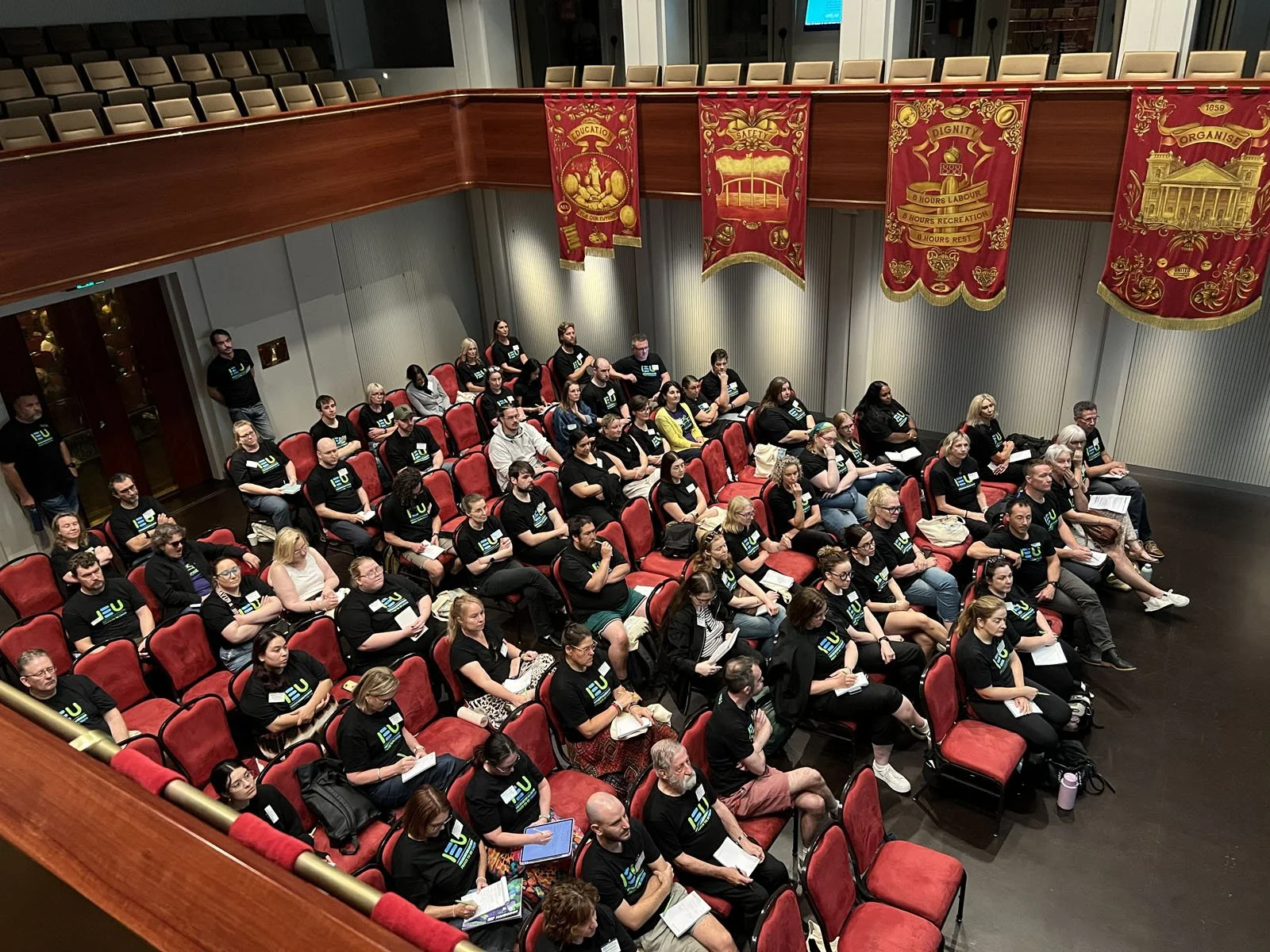
Reps at the successful Trades Hall training event.
A pattern of delays: the previous round of bargaining
In 2025, employers claimed they “do not wish to engage in processes that may distract or delay an agreement.” History tells a different story. We can look back over more than a decade to see the dysfunction of the employers’ preferred bargaining method, but the 2021 experience will be fresh in the memories of many staff:
Slow starts and stalling
While the IEU tabled its Log of Claims in February 2021, employers waited until Term 4 to issue paperwork for formal talks. Progress on non-salary claims was frustratingly slow. In February 2022, hundreds of members sent “solidarity selfies” demanding action on pay, conditions, and workloads.
Two speeds of bargaining
Sharing our frustrations at the pace of negotiations, the Diocese of Sale (DOSCEL) split away to negotiate constructively as a single employer, reaching a deal by Term 3. The remaining employers insisted on continuing down the ‘cooperative’ path, creating dysfunction and delay and expecting concessions for every improvement. Members gave MACS a FAIL in the Report Card campaign.
Escalating action
IEU members increased pressure through rallies at MACS HQ, statewide media campaigns, sub-branch motions, and refusing to perform unpaid and unacknowledged work through the No More Freebies campaign. Actions included email bans, event boycotts, walkouts, petitions, and strict meeting-time limits.
The eventual resolution
Ten months after the Sale Diocese and a full year after Victorian government schools, a deal was reached covering other Catholic employers thanks to cumulative pressure: Senate testimony, letters to parents, rallies in freezing rain, walk-ins, media coverage, and tireless member action. When employers say “trust us,” their record shows that real progress only comes through collective pressure.
Members’ power and persistence
Roadblocks, technicalities, delays, it’s the same old story. But frustration does not equal defeat. The union has the numbers on its side: thousands of educators united in demanding proper bargaining and fair conditions. And each ‘number’ is an actual living, breathing worker, getting increasingly fed up with every delaying tactic.
In Term 2, the IEU is gearing up to ensure employers know that staff are tired of being denied their rights. Recent solidarity actions by hundreds of IEU branches demonstrate the depth of member commitment. The message is clear: staff are sick of excuses and delays!
Employers should have agreed to fair bargaining rules many months ago. If they continue to refuse to do so, the least they can do is actively expedite the legal process to help get this resolved and to minimise costs to all parties.!
Staff in Victorian Catholic schools require the same industrial rights as every other worker – and they will continue organising and campaigning until they win them!
